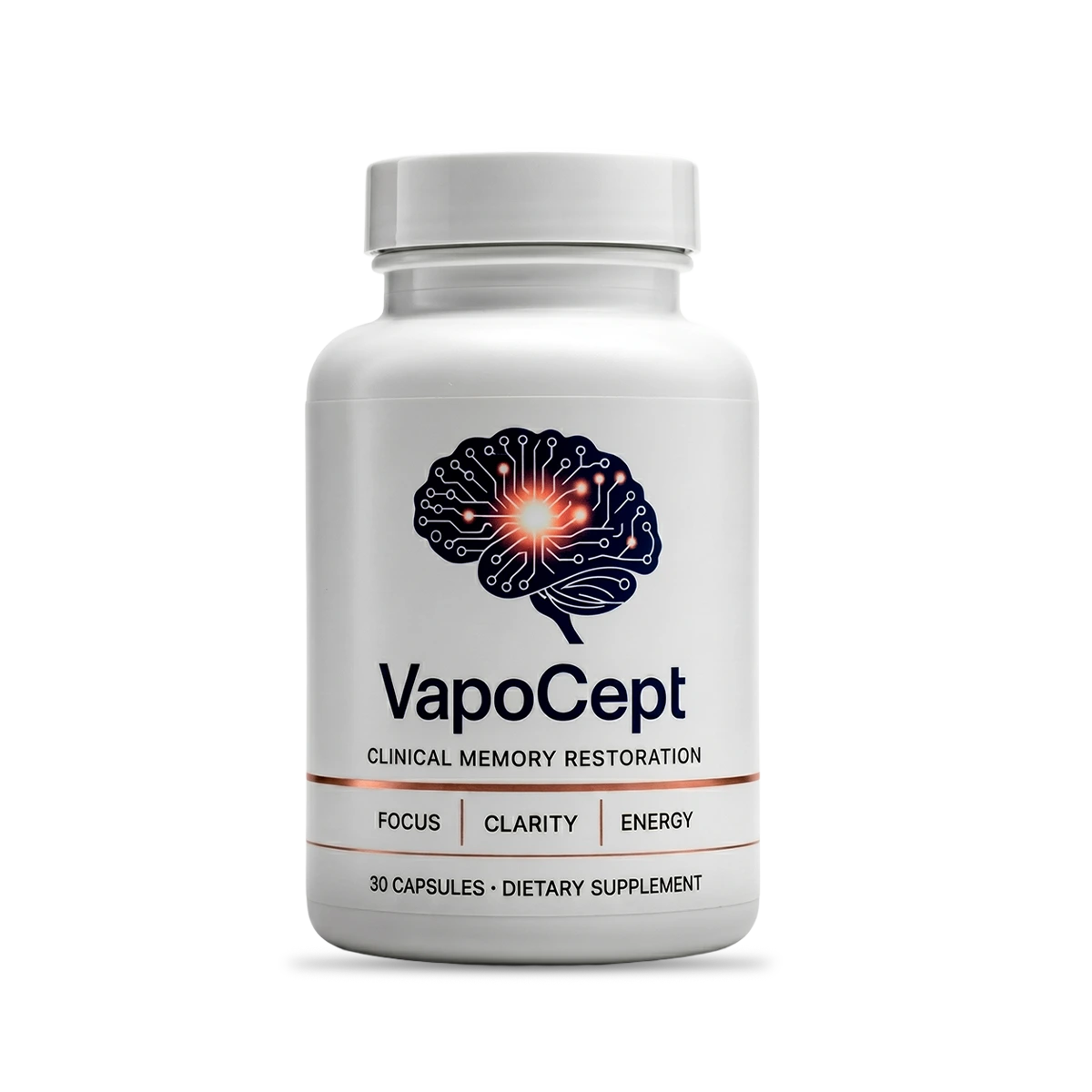
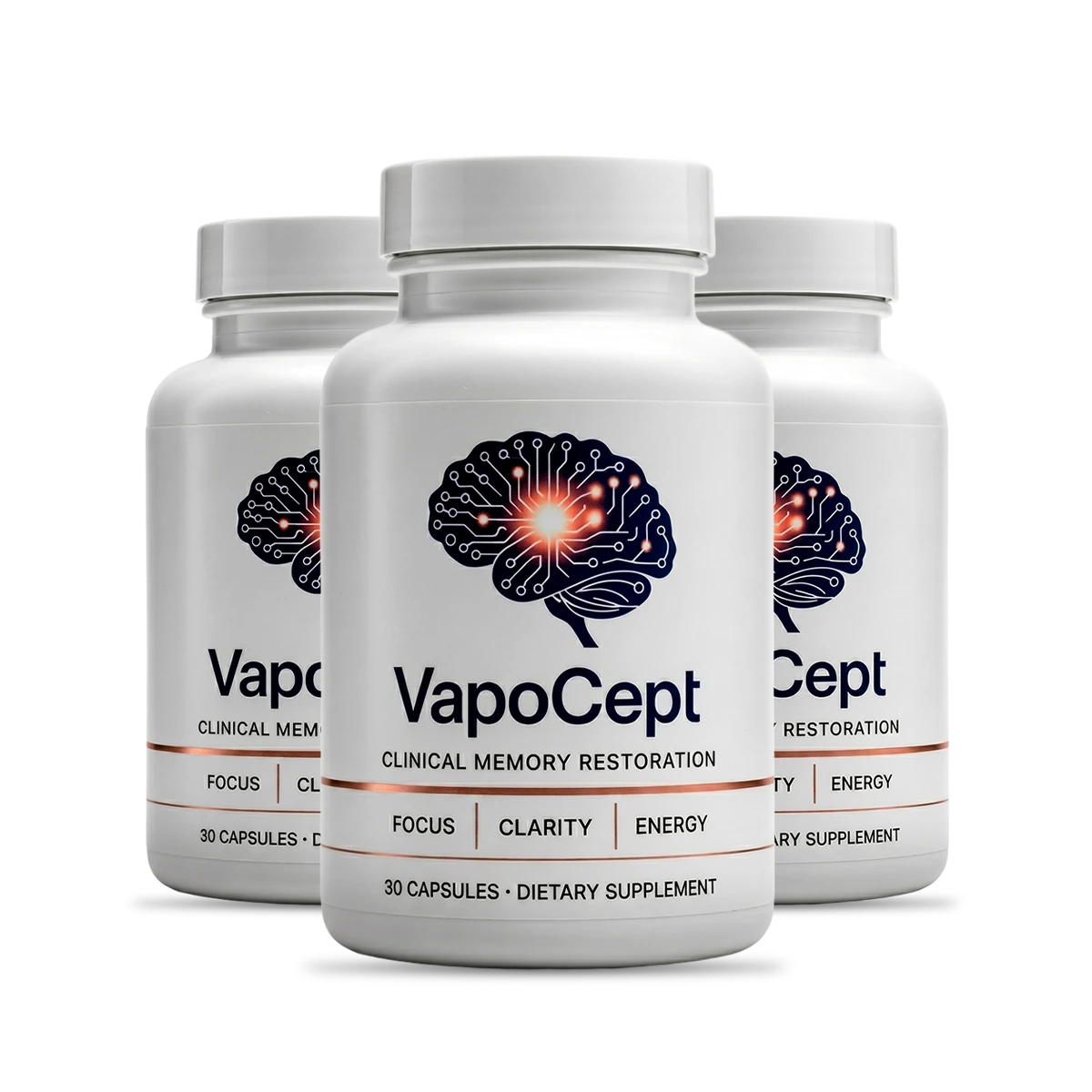
Recall, attention, processing speed and mental clarity are separate functions with separate biology — which is why a single-ingredient pill so rarely moves the needle. VapoCept® is a once-daily natural brain supplement built to support all four at the same time.
60-day money-back guarantee · Free US shipping on 3 and 6 bottles
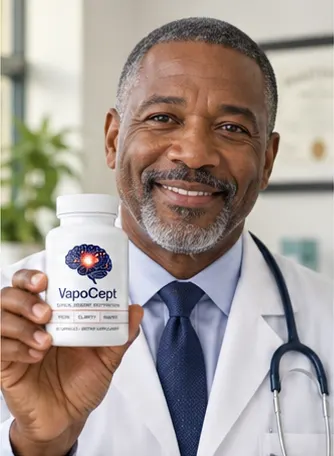
"When someone tells me their memory is going, my first job is to find out which part. Nine times out of ten it isn't memory at all."
Walk into a neurology clinic saying "my memory is slipping" and the first thing that happens is a series of questions designed to separate four things people routinely lump together: whether you're storing information, whether you're attending to it in the first place, how fast you retrieve it, and how long you can sustain the effort before it degrades.
They feel identical from the inside. Biologically they're not. Losing your train of thought mid-sentence is an attention and working-memory event. Reaching for a name that arrives four seconds later is a retrieval-speed event. Being sharp at 9am and useless at 4pm is a stamina event. Treating all three as "bad memory" is why so many people buy a supplement aimed at something they don't actually have.
VapoCept® is built around that distinction — six botanicals chosen because they act on different parts of the underlying biology rather than stacking three versions of the same mechanism.
Dr. Williams reviewed the formulation and ingredient documentation. This is educational commentary on a dietary supplement, not a diagnosis or personal medical advice, and it does not create a doctor–patient relationship.
Find the one that sounds like your week. Most people recognise two or three.
The system that holds new information long enough to file it — a name at an introduction, where you parked, what someone asked you to pick up. It depends heavily on the hippocampus and on how well that region is supplied with oxygen and glucose.
The ability to hold focus on one thing while the world offers you alternatives. Most apparent memory failures are actually attention failures — information you never encoded because you weren't fully on it when it arrived.
How quickly the brain executes a mental operation. This is the most predictable age-related change there is — it begins declining in your twenties and continues steadily. The information is intact; retrieval just takes longer.
How long you can hold the other three together before quality drops. Brain tissue is metabolically expensive — roughly two percent of body weight consuming around a fifth of your oxygen — and sustained cognitive work draws on that budget.
Six extracts, each named on the label, mapped to the systems they're included to support.
Flavonoid glycosides and terpene lactones, associated with vascular tone and cerebral blood flow.
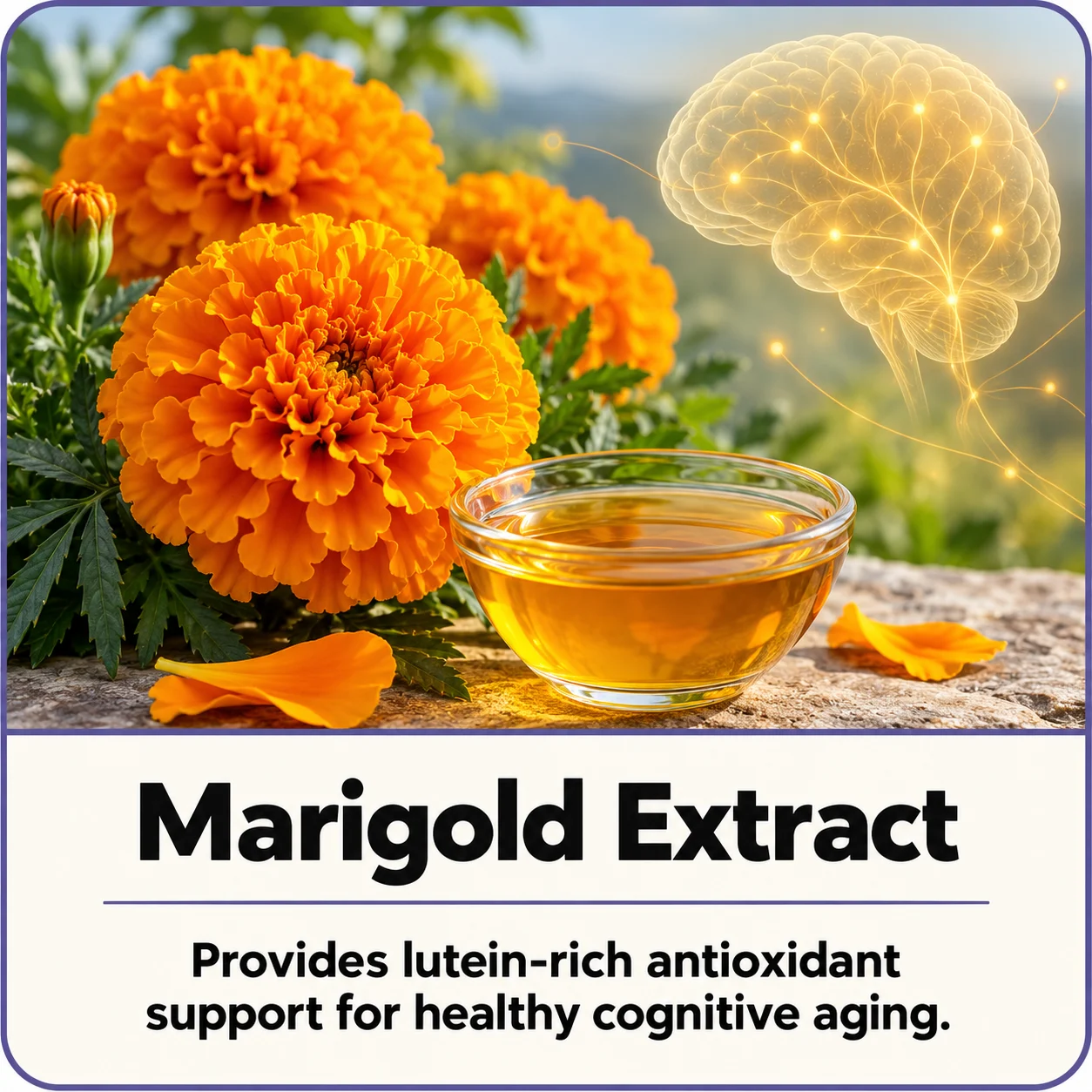
Lutein and zeaxanthin — carotenoids that accumulate in neural tissue over months of consistent intake.
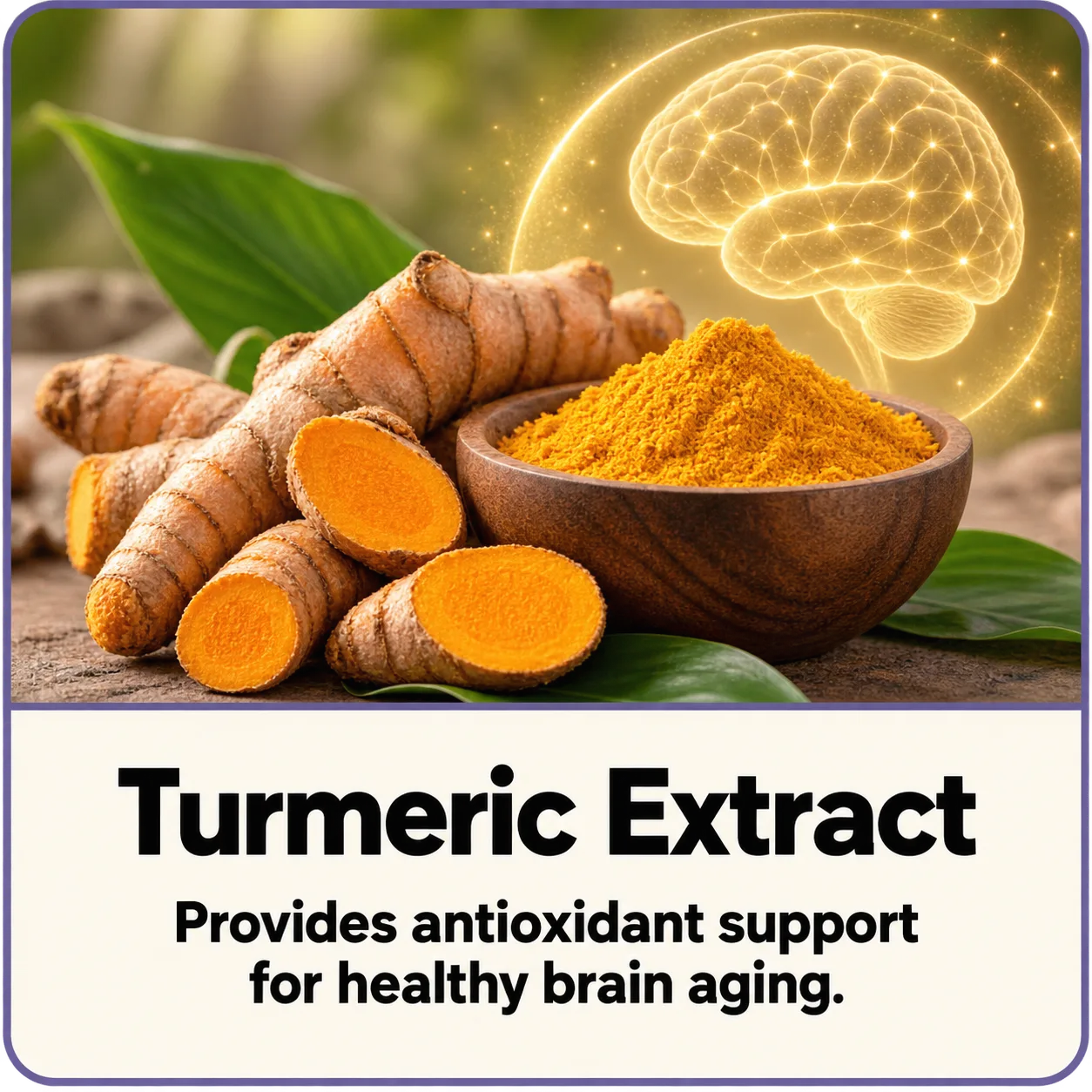
Curcuminoids acting on oxidative stress and inflammatory signalling.
Catechins plus the caffeine and L-theanine naturally paired in the leaf.
Bioavailable silica and flavonoid antioxidants supporting vessel-wall structure.
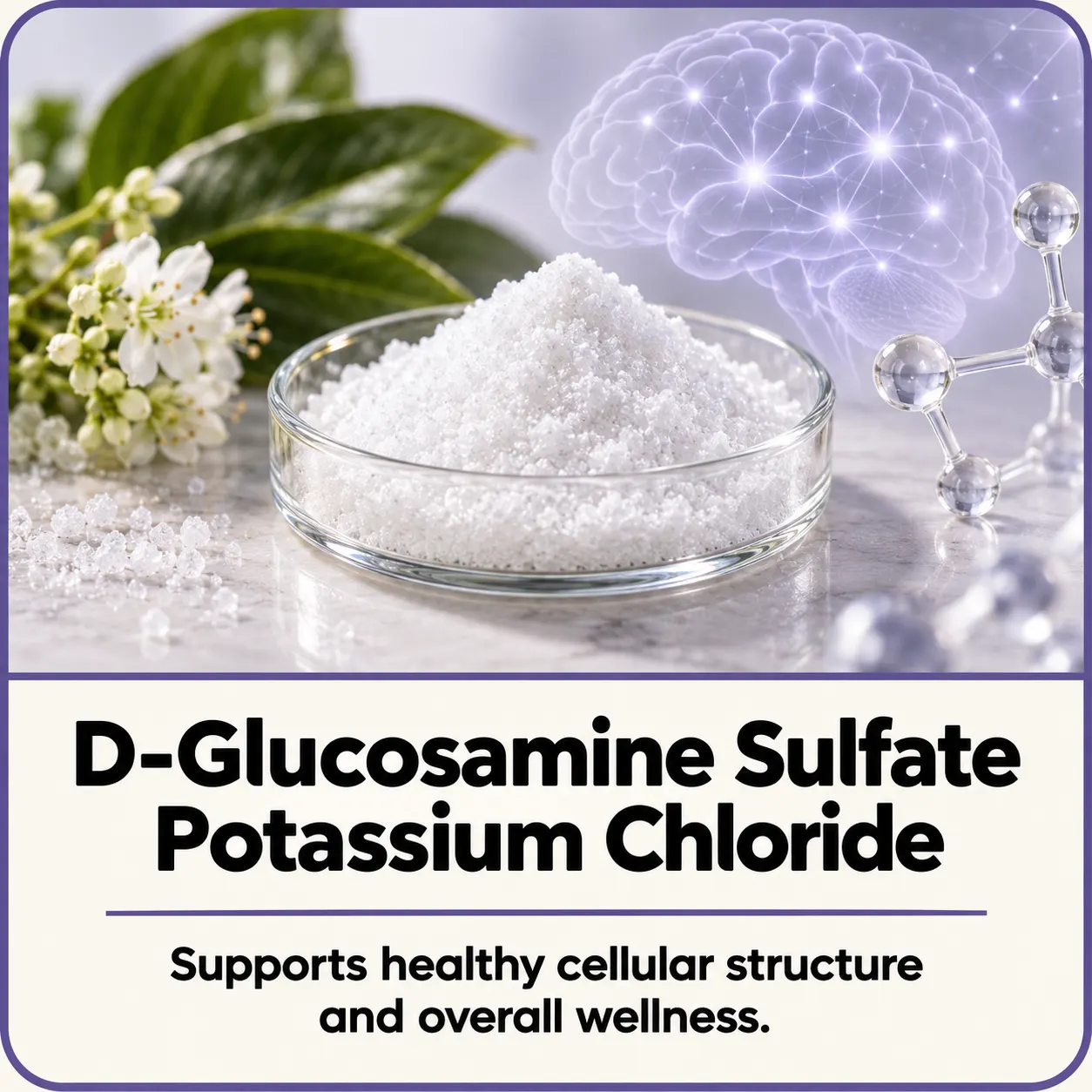
An amino sugar associated with lower inflammatory markers in long-term population data.
A single-ingredient product gives you one mechanism at a well-studied dose. That's scientifically tidy, and it's the right choice when you know exactly which deficiency you're correcting. It's the wrong choice when the thing you're describing — "my memory isn't what it was" — is four overlapping problems with four different underlying processes.
The trade-off is honest: with six ingredients working together, you can't attribute any improvement to one of them. You gain coverage and lose clarity. We think that's the right trade for general cognitive support, but you should know you're making it.
Most products in this category group their actives inside a "proprietary blend" — several ingredients under one combined weight, no individual amounts. It's legal, and it makes it impossible to tell whether you're getting a research-relevant quantity or a trace added so the name can appear on the front.
VapoCept® lists all six separately. You can check each against your own medication list, take the panel to a pharmacist, and compare amounts to published trials. That doesn't guarantee a result — it just means you're not buying blind.
No added caffeine. No racetams. Nothing acting directly on neurotransmitter systems. Nothing that produces a noticeable effect within the hour.
That's a design decision, not an oversight. Compounds that give you a felt lift tend to borrow it from later in the day, and the thing most reliably damaged by that trade is sleep — which is where memory consolidation actually happens. A formula meant to be taken for years shouldn't work against the one process doing the most for your recall.
Bovine gelatin capsule, magnesium stearate, microcrystalline cellulose. The stearate is a flow agent that keeps powder moving through encapsulation machinery; the cellulose is plant fibre that keeps fill weight consistent. Both are standard and both are disclosed.
The gelatin matters more: VapoCept® is not vegetarian or vegan and is not certified halal or kosher. If that rules it out for you, better to know before you order.
Botanical formulas build. Here's the timeline the ingredient research actually supports.
This is the stage where most people abandon a supplement, and it's the stage where nothing was supposed to happen yet. Lutein hasn't begun accumulating in tissue. Curcuminoid levels are only starting to build. You may notice the green tea extract slightly in the first hour or two — that's the caffeine, not the formula working.
The only useful thing to do in this window is establish the habit and write down two or three specific things you'd like to see change.
When customers report an early change, it's usually about stamina rather than memory — the late-afternoon drop-off feeling slightly less steep. That's consistent with the antioxidant and circulatory ingredients reaching steady state before the slower-accumulating ones.
It's subtle enough that many people only notice it retrospectively, which is exactly why writing something down in week one is worth the thirty seconds.
Most human trials on these ingredients measure outcomes somewhere in here, and lutein tissue levels are approaching a plateau. If a botanical formula is going to do anything for you, this is the window in which it shows up — typically as fewer reminder notes, less mid-sentence word-searching, and less frustration by late afternoon.
Nobody credibly reports a transformed memory. If that's your benchmark, no legally sold dietary supplement will meet it.
Compare your notes from week one against how the last month has actually gone. If something improved, continuing makes sense — these are maintenance ingredients, not a course you complete. If nothing did, that's a legitimate outcome and the guarantee exists for exactly that.
Each extract is listed by name on the label, with its own amount — never pooled into a proprietary blend.



73% off while supplies last, free US shipping on 3 and 6 bottles, and a full 60 days to change your mind.
See Packages →Individual experiences vary. A supplement is one input alongside sleep, movement, hearing and blood pressure — all of which carry stronger evidence.

"The four-systems thing on this page is what sold me, because I finally had language for it. My problem was never storing things — it was that I'd fade out around three o'clock and stop taking anything in. That's what shifted first, somewhere in the second month. Still fade, just later and less steeply."

"I took the advice about writing things down in week one, which felt silly at the time. Ten weeks later I compared and I'd genuinely cut my phone reminders down. Without the note I'd have told you nothing changed — I don't think I'd have trusted my own impression either way."

"Four stars, and the missing one is about cost rather than the product. Two bottles wasn't enough to judge anything and I nearly wrote it off. The six-pack is the only version that makes sense, which means the real entry price is higher than it looks at first glance. That said — word-finding is better than it was in spring."

Testimonials reflect individual experiences and are not a guarantee that you will have the same result.
One capsule a day means one bottle is one month. Pick the package that covers the window the research actually uses.
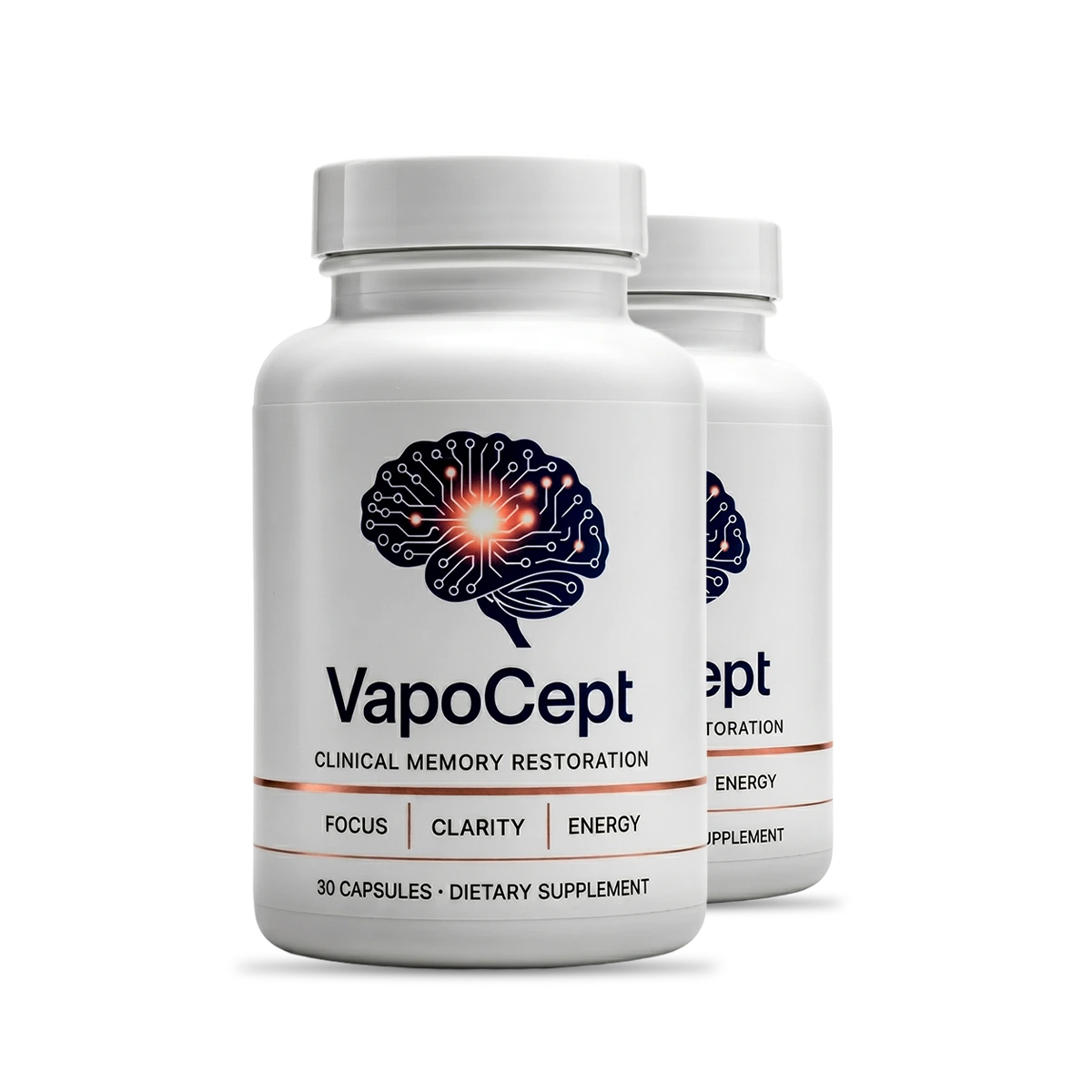
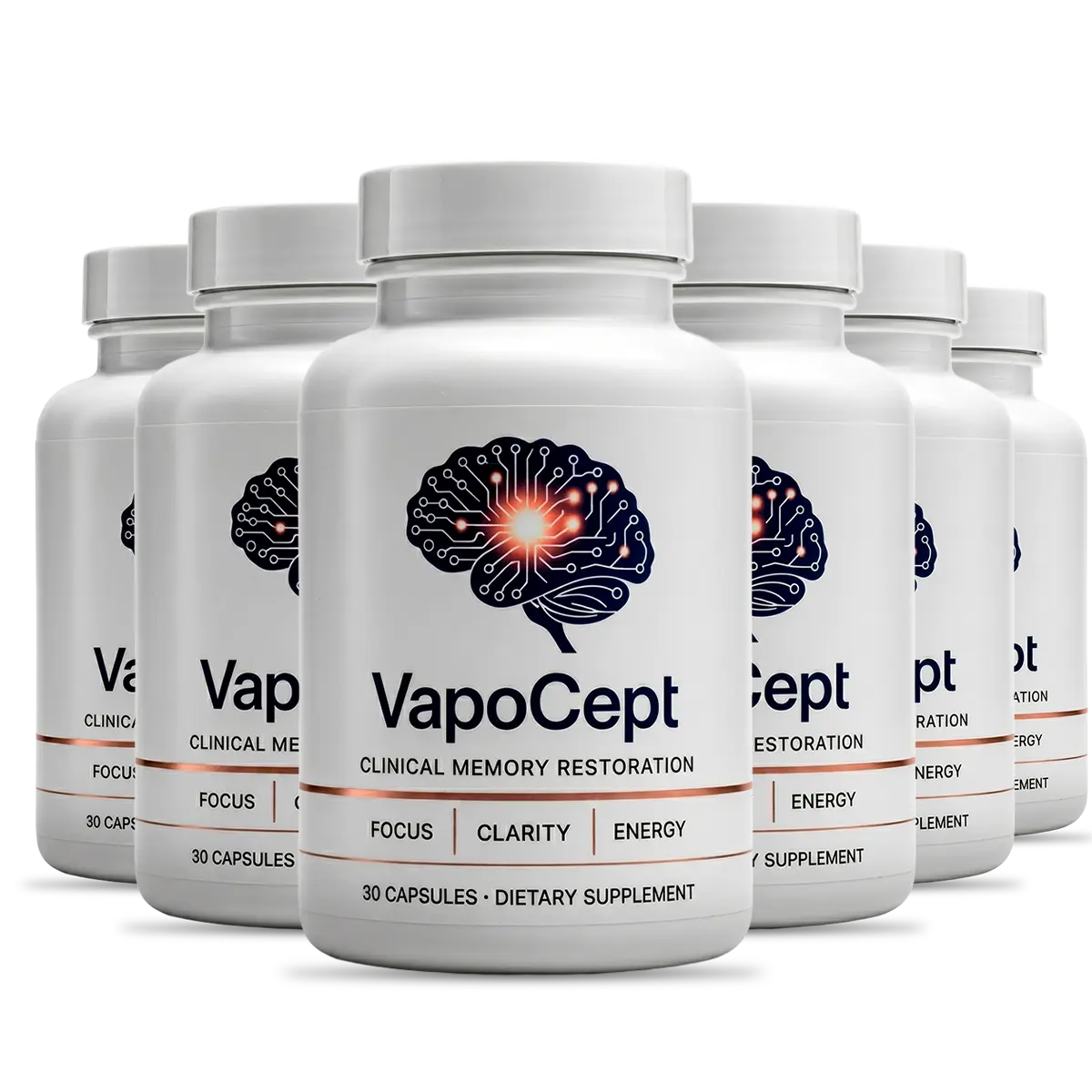
Prices, shipping and refund procedures are set by the official retailer and confirmed at checkout. Discount percentages are calculated against the full single-bottle list price of $179.
Including where the evidence is genuinely strong and where it thins out.

"Every ingredient in a formula has a study behind it. The question is always how big, how long, and whether it measured the thing you care about."
These six extracts do not have equal evidence, and presenting them as though they do would be the easiest way to lose your trust. Two are carrying most of the scientific weight. Two are supporting players with real but indirect justification. Knowing which is which is more useful than a page of confident adjectives.
Educational summary only. Discuss any supplement with your own physician, particularly alongside prescription medication.
Marigold supplies lutein and zeaxanthin. Most people file these under eye health, and that's where the research began — but autopsy work has established that lutein crosses into brain tissue and makes up a disproportionately large share of the carotenoid content there. The body is selectively concentrating it, which is usually a sign something is happening.
Studies measuring lutein status in older adults find consistent associations with memory and processing-speed performance. Much of that data is observational, so it can't establish cause — but the combination of plausible mechanism, consistent findings and an excellent safety record is rarer than you'd hope in this category.
More controlled human trials than any other ingredient here. Several report modest gains in attention, recall speed and subjective clarity in healthy older adults over periods of six to twenty-four weeks.
The large Ginkgo Evaluation of Memory study, which followed several thousand older adults for years, found it did not reduce dementia incidence. Both results are real. The reasonable reading is that ginkgo isn't a preventive drug and shouldn't be sold as one, while the shorter-term everyday-cognition findings are why it stays in formulas like this.
Safety note: ginkgo affects bleeding time. Speak to your doctor if you take anticoagulant or antiplatelet medication, and it's usually stopped before scheduled surgery.
Curcuminoids are among the best-characterised plant antioxidants in laboratory conditions, acting on both oxidative stress and inflammatory signalling. Translating that into human outcomes has been harder, almost entirely because plain curcumin is absorbed poorly and cleared quickly.
An eighteen-month randomised trial in older adults using a bioavailability-enhanced form reported improvements in memory and attention scores. Encouraging, and conducted in a small group — which is where promising findings and false positives are hardest to separate.
Practical implication: take the capsule with a meal containing some fat. It genuinely changes how much you absorb.
Catechins including EGCG carry well-documented antioxidant activity. More interesting for attention specifically is the naturally paired caffeine and L-theanine — a combination associated in several studies with improved attention-switching that neither compound produces as cleanly alone.
Short-term data is reasonably good. Long-term cognitive-aging trials are thin. If you feel anything in the first fortnight, this is almost certainly what you're feeling.
Bamboo is the richest plant source of bioavailable silica plus a set of flavonoid antioxidants. Silica contributes to connective tissue integrity, which includes blood vessel walls. Direct human research on cognition is close to absent.
Glucosamine's case rests on large population datasets where habitual users show lower inflammatory markers and better cardiovascular outcomes. Since vascular health and long-term cognitive health travel together, that's a reasonable inclusion — but observational data can't establish cause, and no trial has tested glucosamine for memory outcomes.
We list them here rather than quietly padding the label, because you should know which ingredients are carrying the formula.
References to published research describe studies on individual ingredients, not on the finished VapoCept® product. No clinical trial has been conducted on this specific combination. These statements have not been evaluated by the Food and Drug Administration.
Facility standards don't prove a formula works. They're what makes the label trustworthy.




FDA-registered facility means the manufacturing site is registered with and open to FDA inspection. It does not mean the FDA has approved, endorsed or evaluated VapoCept® — no dietary supplement receives that, and any brand implying otherwise is misleading you.
GMP certified covers ingredient identity testing, batch records, contamination controls and record retention. Of the six marks here, this is the one that most directly supports label accuracy.
Foreign and domestic ingredients is straightforward sourcing honesty. Ginkgo, turmeric and bamboo grow where they grow; blending and encapsulation happen domestically.
Lutein from marigold and curcuminoids from turmeric are both fat-soluble. Taken with black coffee and nothing else, you absorb a fraction of what you paid for. Eggs, yoghurt, avocado, a little olive oil — any of these meaningfully improve uptake.
Green tea extract carries a small amount of natural caffeine — far below a cup of coffee, but enough to matter if you're sensitive or sleep lightly. And since memory consolidation happens during sleep, protecting it is not a side concern.
The most common reason a supplement fails isn't the formula — it's forgetting it, which is a particularly ironic failure mode here. Put the bottle beside the kettle or the toothbrush. Consistency across months is what the ingredient research is measuring.
Two or three specific, checkable things: how many phone reminders you set in a week, how often you lose a word mid-sentence, how you feel reading at 9pm. Impressions recalled after the fact are unreliable in both directions. Notes aren't.
Sixty days is two bottles — which happens to be roughly the minimum honest window for judging a botanical formula. The guarantee and the biology point in the same direction, which isn't always true in this industry.
A supplement that suits everyone suits nobody in particular. Here's the honest split.
VapoCept® is formulated to support key areas of everyday cognitive wellness, including memory, focus, mental clarity, and sustained mental energy. Its six active ingredients were selected to provide well-rounded nutritional support for adults who want to stay sharp, attentive, and mentally engaged throughout the day.*
Yes. VapoCept® contains no added caffeine, racetams, or synthetic stimulants. It is a once-daily dietary supplement designed to fit easily into your regular wellness routine. Green tea extract naturally contains a small amount of caffeine, so anyone who is particularly sensitive should review the label before use.
VapoCept® is designed for consistent daily use, and individual experiences may vary. Because nutritional ingredients work gradually, we recommend allowing eight to twelve weeks to evaluate how the formula works for you. For this reason, a three-month supply is the most practical option for giving the formula adequate time to become part of your daily routine.
Yes. VapoCept® clearly lists all six active ingredients: D-Glucosamine Sulfate Potassium Chloride, Ginkgo Biloba Extract, Turmeric Extract, Marigold Extract, Green Tea Extract, and Bamboo Extract.
The other ingredients are a bovine gelatin capsule, magnesium stearate, and microcrystalline cellulose. There is no proprietary blend hiding the individual amounts.
Yes. VapoCept® is designed for adults and should be used according to the directions on the label. However, it is not intended for anyone under 18 or for women who are pregnant or nursing.
Consult your healthcare provider before use if you have a medical condition, take prescription medication—especially blood thinners or antiplatelet drugs—or are preparing for surgery. Those with a shellfish allergy should confirm the source of the glucosamine before ordering. The capsule contains bovine gelatin and is therefore not suitable for vegetarians or vegans.
No. VapoCept® is a dietary supplement created to support everyday cognitive wellness. It is not intended to diagnose, treat, cure, or prevent Alzheimer’s disease, dementia, or any other medical condition.
Anyone experiencing new, worsening, or disruptive changes in memory should consult a qualified healthcare professional for an appropriate evaluation.
The six-bottle package provides the lowest price per bottle and enough product for consistent, longer-term use:
Every package is protected by the same 60-day money-back guarantee. Please check the official checkout page for current pricing, shipping terms, and availability.
Yes. Every VapoCept® order is backed by a 60-day money-back guarantee, giving you the opportunity to try the formula with greater confidence. If you are not satisfied, contact the official retailer’s customer-support team within 60 days of delivery and follow the refund instructions. Review the official refund policy at checkout for complete terms and conditions.
*These statements have not been evaluated by the Food and Drug Administration. This product is not intended to diagnose, treat, cure, or prevent any disease.
Support recall, attention, processing speed and mental stamina with six named botanicals — and sixty days to decide whether it earned its place in your morning.
60-day money-back guarantee · Free US shipping on 3 and 6 bottles · Secure checkout