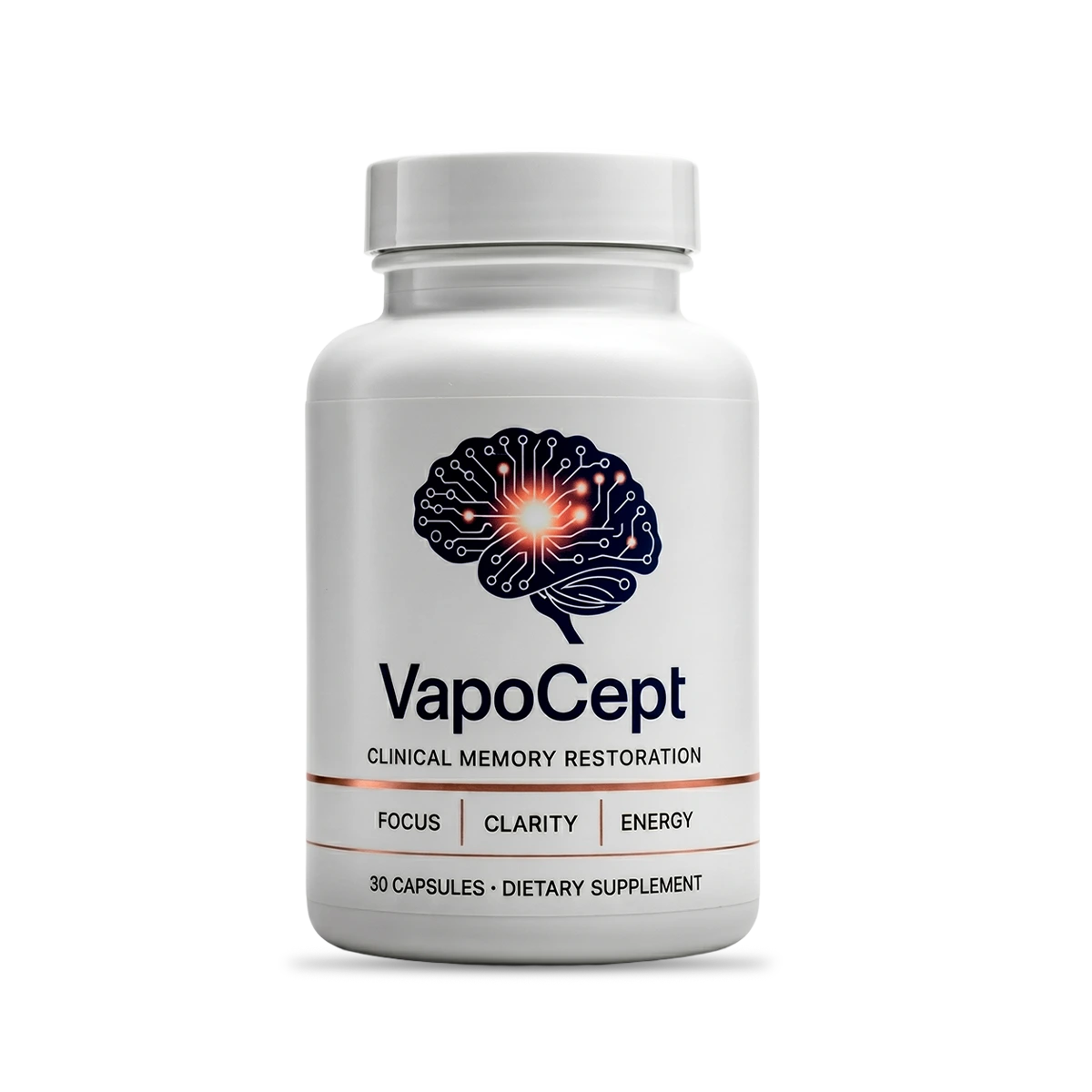
Six actives, each printed individually on the label rather than pooled into a proprietary blend. Here's what each one is, which cognitive system it's included to support, and how much human evidence actually stands behind it.
Marigold Extract — lutein and zeaxanthin
Targets: recall, processing speed.
Marigold petals are the standard commercial source of lutein. Most people associate it with eye health, and that's where the research began — but autopsy work established that lutein crosses into brain tissue and represents a disproportionately large share of the carotenoid content there. Something is selectively concentrating it, which is generally a sign it's doing something.
Evidence: the strongest case in the formula. Studies measuring lutein status in older adults find consistent associations with memory and processing-speed performance. Most data is observational, so causation isn't established, but the mechanism is plausible and the safety record over decades is excellent.
Ginkgo Biloba Extract
Targets: recall, processing speed.
Leaf extract from a tree species essentially unchanged for over two hundred million years, standardised for flavonoid glycosides and terpene lactones. The rationale is vascular: brain tissue consumes about a fifth of your oxygen despite being two percent of body weight, so how readily vessels respond to demand matters.
Evidence: the most studied and the most contested. Numerous trials report modest gains in attention and recall speed over six to twenty-four weeks. The large Ginkgo Evaluation of Memory study found no reduction in dementia incidence over several years. Both findings are real and both belong on a page like this.
Caution: affects bleeding time. Discuss with your doctor if you take anticoagulant or antiplatelet medication; typically stopped before scheduled surgery.
Turmeric Extract
Targets: stamina, recall.
Root extract supplying curcuminoids, among the best-characterised plant antioxidants in laboratory settings, with documented activity on both oxidative stress and inflammatory signalling — two processes involved in how the brain ages.
Evidence: excellent in the lab, modest in humans, and the gap is almost entirely absorption. Plain curcumin is poorly absorbed and rapidly cleared. An eighteen-month randomised trial using a bioavailability-enhanced form reported memory and attention improvements in older adults — encouraging, but a small group.
Practical note: take with a meal containing fat. It materially changes absorption.
Green Tea Extract
Targets: attention, stamina.
Concentrated catechins, principally EGCG, plus the caffeine and L-theanine naturally present in the leaf. That pairing is unusual — mildly stimulating and mildly calming at once — and has been studied specifically for attention-switching.
Evidence: reasonably consistent short-term data on attention and working memory. Thin long-term data on cognitive aging. The antioxidant chemistry isn't disputed; the decades-long outcome trials simply haven't been run.
Caution: contains caffeine, far less than coffee. Morning dosing is sensible if you're sensitive.
Bamboo Extract
Targets: stamina.
The richest plant source of bioavailable silica, plus flavonoid antioxidants. Silica contributes to connective tissue integrity — which includes the structural components of blood vessel walls — and the flavonoid fraction adds antioxidant capacity from a different chemical family than the other ingredients.
Evidence: minimal where cognition is concerned. There's no substantial body of human research linking bamboo extract to memory outcomes. It's a supporting ingredient, and saying otherwise would require building a chain of plausible-sounding inferences that nobody has actually tested.
D-Glucosamine Sulfate Potassium Chloride
Targets: stamina.
An amino sugar the body synthesises naturally, supplied as the sulfate form stabilised with potassium chloride — the chloride is a stabiliser, not a separate active. Best known from joint formulas.
Evidence: indirect. Large population datasets show habitual glucosamine users with lower inflammatory markers and better cardiovascular outcomes, and cardiovascular health tracks with long-term cognitive health. But observational data can't establish cause, and people who take a supplement daily for years differ from those who don't in ways no statistical adjustment fully captures.
Caution: sometimes shellfish-derived — confirm the source if you have a shellfish allergy. Mention it to your doctor if you manage diabetes.
The three inactive ingredients
Bovine gelatin capsule — the shell. Animal-derived, which means VapoCept® is not vegetarian or vegan and is not certified halal or kosher.
Magnesium stearate — a flow agent that keeps powder moving through encapsulation machinery so fill weights stay consistent. Present in a large share of capsules on the market at a few milligrams per dose.
Microcrystalline cellulose — purified plant fibre used as a bulking agent. Inert and plant-derived.
Ranking them honestly
By weight of human cognitive evidence: lutein first, then ginkgo, then turmeric and green tea, then bamboo and glucosamine. That spread is normal for a multi-ingredient supplement. Publishing it is less normal, and it's the information you need to judge the formula rather than the marketing.
See Pricing & Packages