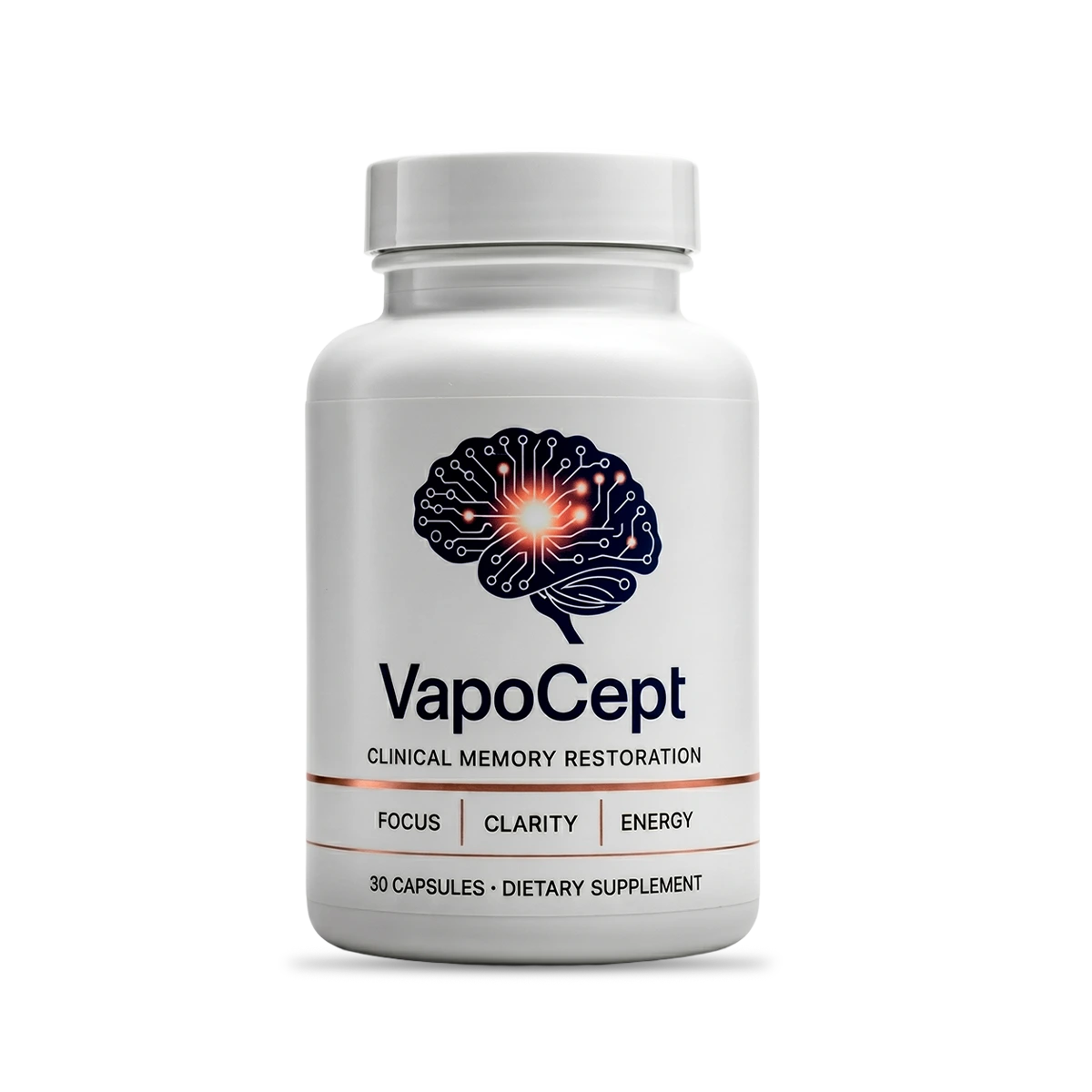
Short version: a transparent six-ingredient label, two ingredients doing most of the scientific work, one interaction that deserves a real conversation, and a short list of conditions worth ruling out before any supplement enters the picture.

"I'd rather a patient took a well-labelled supplement and kept their appointment than took nothing and cancelled it. The problem is when the bottle replaces the appointment."
The reframe that matters most
The phrase "my memory is going" covers at least four different things, and they respond to different interventions. In clinic, separating them is the first task — because someone whose real issue is sustained attention will get nothing from an approach aimed at storage, and vice versa.
Short-term recall is whether new information gets filed. Sustained attention is whether you were fully present when it arrived. Processing speed is how fast you retrieve what's already stored. Mental stamina is how long you hold all three together before quality drops. Most people over 50 who describe memory trouble are describing some mixture of the last three, with storage largely intact.
That distinction is why a multi-ingredient botanical formula makes more sense here than a single-nutrient pill. Not because more ingredients is automatically better — it often isn't — but because the thing being described isn't a single mechanism.
The interaction I'd flag first
Ginkgo Biloba affects platelet function and bleeding time. Practically:
- If you take warfarin, clopidogrel, apixaban, rivaroxaban or daily aspirin, speak with your prescribing doctor before starting.
- Ginkgo is usually stopped one to two weeks before scheduled surgery or dental extraction.
- If you have a bleeding disorder, this is a conversation rather than a solo decision.
None of that makes ginkgo dangerous. It makes it worth mentioning. Interactions are manageable when they're known and problematic when they're a surprise in an operating theatre.
Two smaller notes belong here. Turmeric stimulates bile flow, which matters with gallstones or gallbladder disease. And glucosamine is sometimes manufactured from shellfish — anyone with a shellfish allergy should confirm the source rather than assume.
What I'd want ruled out first
This is the part with the least commercial logic and the most clinical value. Several conditions produce memory and concentration symptoms and are treatable:
- Thyroid dysfunction — hypothyroidism commonly causes mental sluggishness. A blood test finds it.
- B12 deficiency — more common with age, on metformin, and on long-term acid-reducing medication.
- Sleep apnoea — fragmented sleep and repeated oxygen dips impair memory substantially. Very commonly undiagnosed.
- Depression — can impair concentration enough to resemble something far more serious.
- Medication side effects — sedatives, some antihistamines, certain bladder medications. A review can resolve it.
- Hearing loss — increasingly recognised as a contributor. Information you don't hear clearly is information you don't encode, and straining to hear consumes cognitive resources you'd rather spend elsewhere.
Spend three months on a supplement when one of those is the cause, and you've lost three months. Spend an afternoon on a blood test and a hearing check first, and you haven't.
Where the evidence genuinely sits
Lutein from marigold has the most coherent case — it concentrates in neural tissue rather than passing through, and lutein status tracks consistently with memory and processing-speed measures in older adults. Much of that is observational, but the mechanism is plausible and the safety record is excellent.
Ginkgo Biloba has the most data and the most disagreement. Shorter trials report modest gains in attention and recall speed; the large multi-year dementia-prevention trial found no effect. A site quoting only the first half isn't being straight with you.
Turmeric and green tea extract have strong mechanistic data and smaller human cognitive trials. Encouraging rather than settled.
Bamboo extract and glucosamine have little to no direct cognitive research. They're supporting ingredients, and describing them otherwise would be overstating the case.
The hierarchy nobody selling supplements wants to publish
If you asked me to rank what supports cognitive health as you age, a capsule would not be near the top. Blood pressure control in midlife would be first. Then regular aerobic exercise, sufficient sleep, correcting hearing loss, not smoking, and staying genuinely mentally and socially engaged — the kind of engagement that involves learning something difficult, not a puzzle app.
Every item on that list has stronger evidence than any supplement on the market. A well-labelled botanical formula is a reasonable addition on top of them. It is not a substitute for any of them, and anyone implying otherwise is selling you a shortcut that doesn't exist.
This is educational commentary reflecting general clinical reasoning about a product category. It is not a diagnosis, a prescription or personal medical advice, and it does not establish a doctor–patient relationship. Consult your own healthcare provider before starting any supplement.
See Pricing & Packages